If you’re planning a move in Portland, and your home has a spa or hot tub, winterizing it properly should be at the top of your checklist. Portland’s damp winters and freezing temperatures can cause serious damage to spa plumbing, pumps, and shell surfaces if water is left inside. A single overnight freeze can crack pipes, damage jets, and lead to thousands of dollars in repairs.
That’s why winterizing a spa in Portland before moving is essential. Whether your spa is being transported to a new location, stored temporarily, or sold with your home, taking the right steps protects your investment and ensures it’s ready for future use.
Why Spa Winterization Matters in Portland
Portland experiences long stretches of cold, wet weather. Even when daytime temperatures stay above freezing, nighttime lows can drop enough to freeze residual water inside spa lines.
Proper winterization helps:
- Prevent cracked pipes and fittings
- Protect pumps and heaters
- Avoid mold and mildew growth
- Extend the life of your spa
- Ensure smoother reinstallation after the move
Skipping this process can result in hidden damage that isn’t discovered until you try to refill and power on the spa later.
When to Winterize Your Spa Before Moving
Ideally, winterization should happen 1–2 days before your spa is scheduled for pickup or transport. This allows time for complete drying and inspection. If your move is delayed, keeping the spa fully winterized ensures it remains protected.
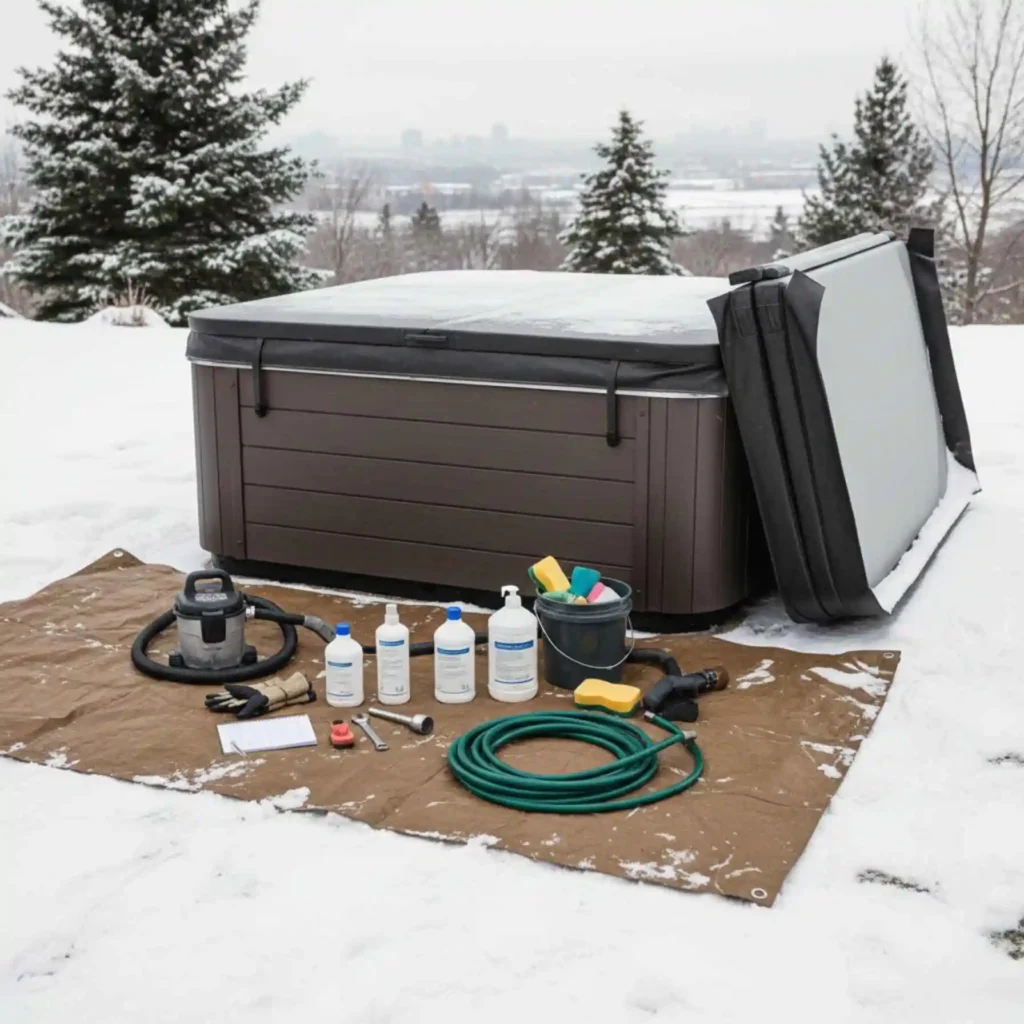
Gather the Right Supplies
Before you start, have these items ready:
- Garden hose
- Submersible pump (optional but helpful)
- Wet/dry vacuum
- Screwdrivers or nut drivers
- Non-toxic RV antifreeze
- Clean towels and microfiber cloths
- Protective spa cover and moving wrap
Step 1: Turn Off Power to the Spa
Locate the spa’s breaker and switch it off completely. This prevents accidental activation of pumps or heaters during draining. Never attempt winterization while the spa is powered.
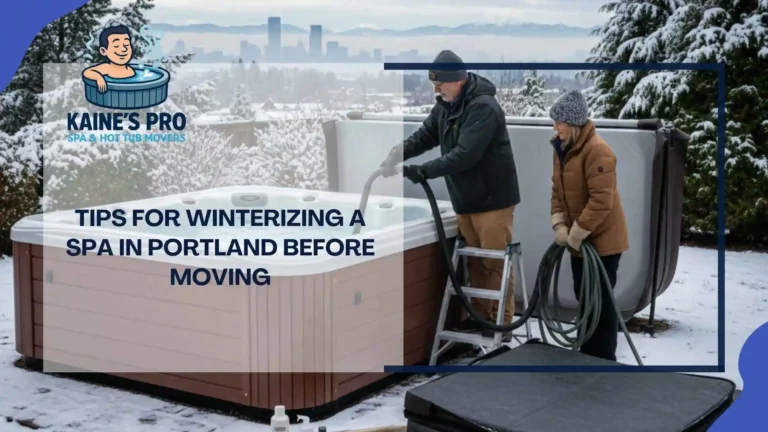
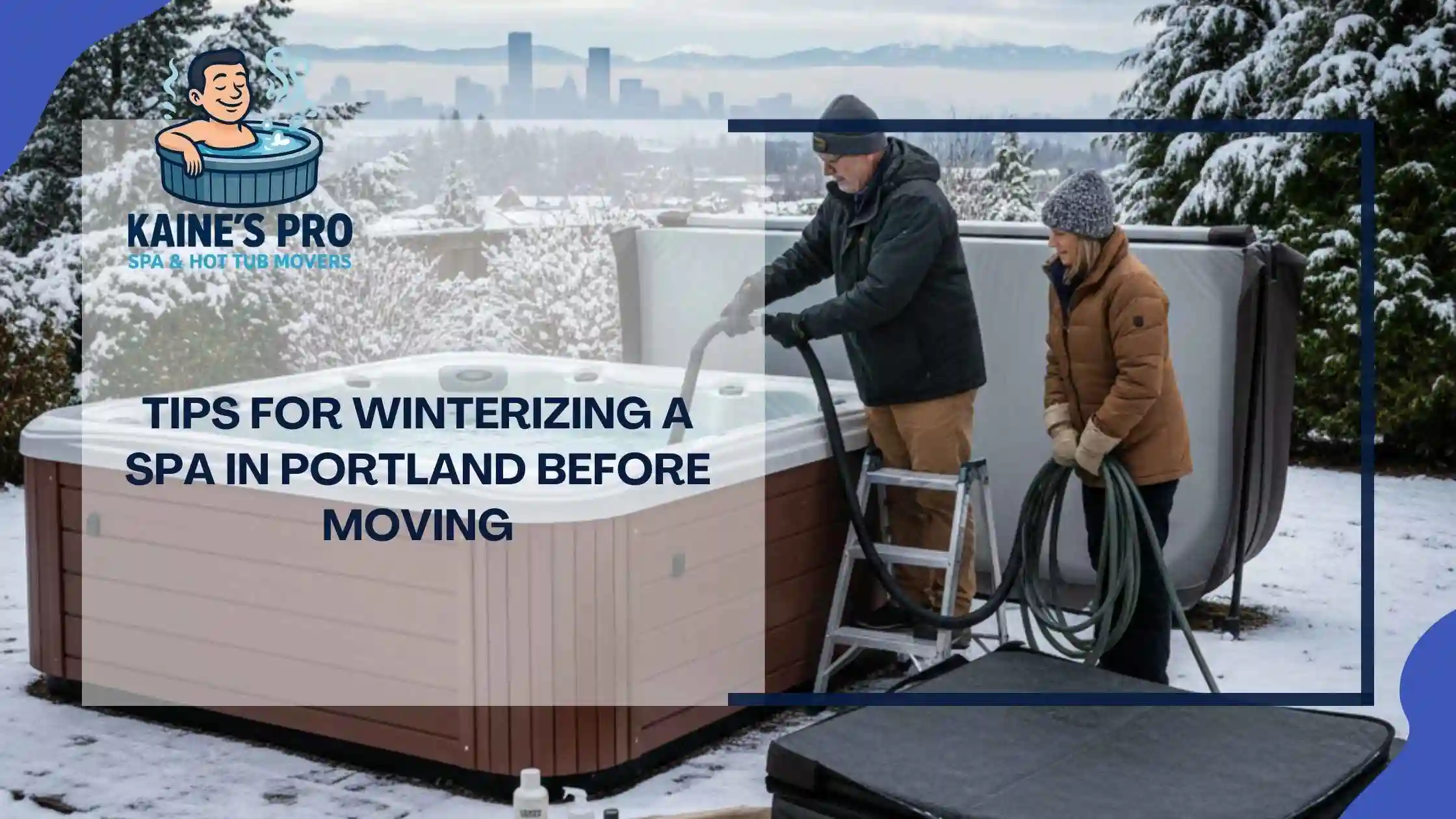
Step 2: Drain All Water from the Spa
Attach a hose to the drain valve and allow water to flow away from foundations and walkways.
For faster draining, use a submersible pump. Once empty, wipe down the shell to remove remaining moisture and debris.
Step 3: Blow Out Plumbing Lines
Even after draining, water remains trapped inside pipes and jets. Use a wet/dry vacuum on blower mode to push air through:
- Jet openings
- Filter housing
- Pump inlets
- Drain lines
Continue until no mist or droplets appear.
Step 4: Add Non-Toxic Antifreeze
Pour small amounts of RV antifreeze into jet openings and plumbing lines. This adds an extra layer of protection if trace water remains. Never use automotive antifreeze; it’s toxic and can damage components.
Step 5: Remove and Clean Filters
Take out all filters, rinse thoroughly, and allow them to dry completely. Store them in a sealed plastic bag. Leaving filters inside can trap moisture and cause mold growth.
Step 6: Clean and Dry the Spa Shell
Wipe down all interior surfaces with a spa-safe cleaner. Removing oils and residue prevents staining and odors during storage.
Step 7: Secure the Spa Cover
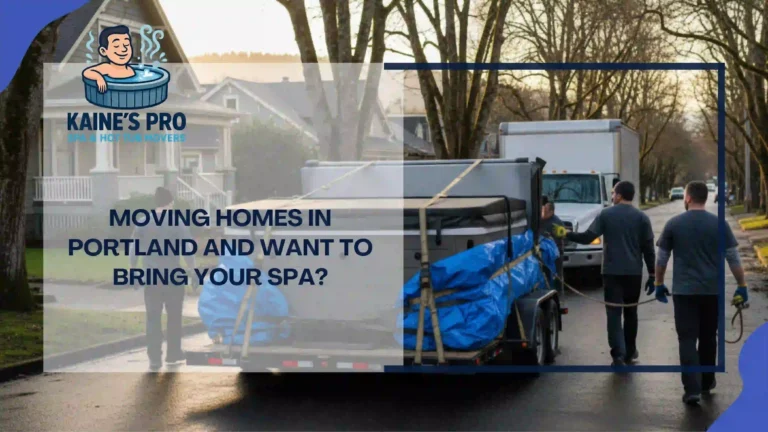
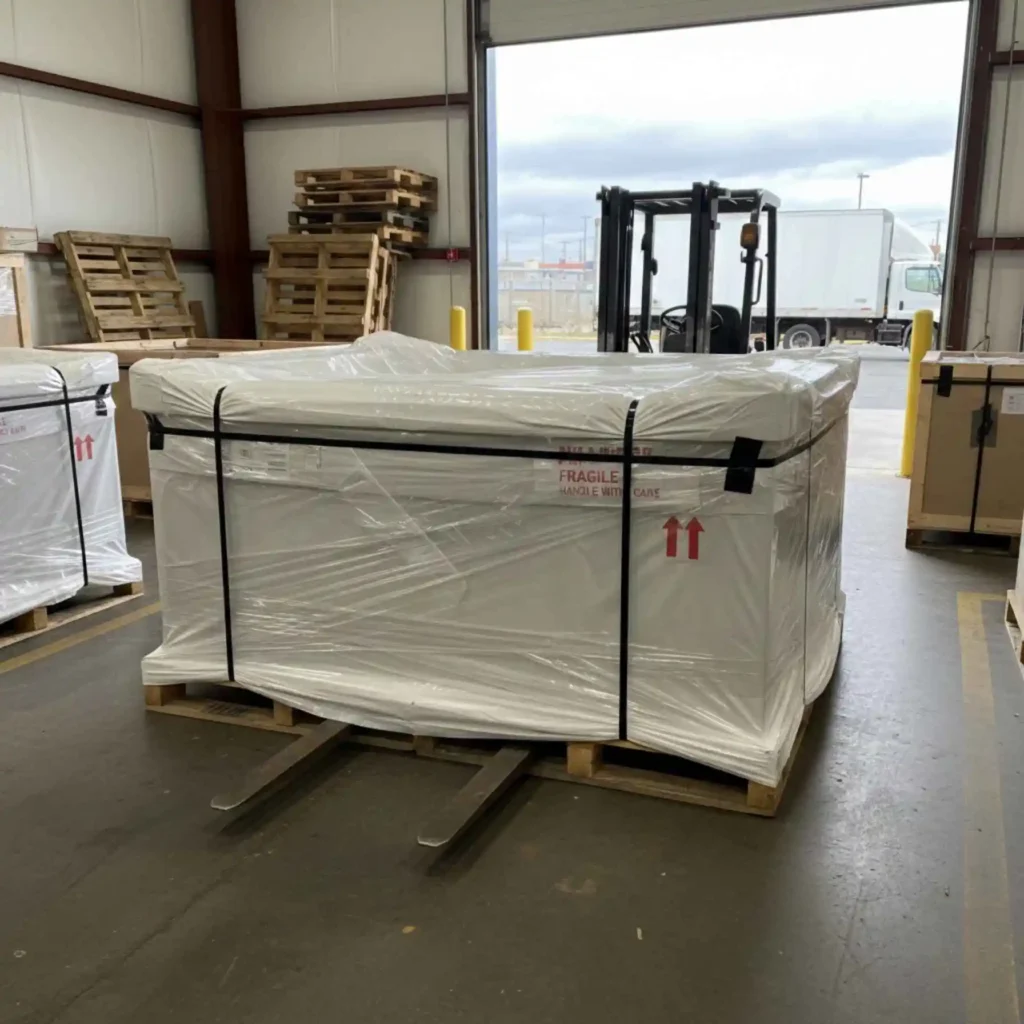
Ensure the cover is clean, dry, and tightly fastened. For moving, wrap the entire spa with moving blankets and plastic stretch wrap to protect from moisture and road debris.
Special Considerations for Moving a Winterized Spa
Winterized spas are lighter and safer to transport, but they still require careful handling.
Use Proper Equipment
- Spa dollies
- Straps and tie-downs
- Protective padding
Choose Experienced Spa Movers
Professionals understand weight distribution and how to avoid structural stress during lifting.
Storing Your Spa During Winter
If your spa won’t be installed immediately at your new home:
- Store in a dry, covered area
- Keep spa elevated off concrete floors
- Check periodically for moisture buildup
Common Mistakes to Avoid
- Skipping line blowout
- Forgetting antifreeze
- Leaving filters inside
- Using household antifreeze
- Rushing the drying process
Each of these can lead to freeze damage.
Should You Hire a Professional?
While DIY winterization is possible, professional services ensure nothing is overlooked. Experienced technicians know where water hides and how to protect sensitive components.
Benefits of professional winterization:
- Thorough inspection
- Proper antifreeze application
- Faster process
- Peace of mind
Why Portland Homeowners Trust Professional Spa Services
Local technicians understand Portland’s climate and how it affects spas. They also coordinate winterization with moving schedules for seamless service.
Cost vs. Damage Comparison
Winterization service typically costs far less than replacing pumps, heaters, or plumbing damaged by freezing. It’s a smart preventative investment.
Preparing for Reinstallation at Your New Home
When ready to set up again:
- Inspect the spa for damage
- Reinstall filters
- Refill with clean water
- Balance chemicals
- Restore power
Proper winterization makes this process smooth and stress-free.
Final Thoughts
Winterizing a spa in Portland before moving protects your investment, prevents costly repairs, and ensures your spa is ready for enjoyment at your next home. Taking the time, or hiring professionals, to do it right makes all the difference.
Call to Action
Planning a move with a spa in Portland? Let professionals handle the winterization and moving process. Call today, book online, or request a free quote to protect your spa from freeze damage and enjoy peace of mind during your move.