
Relocating a spa, whether it’s a portable hot tub, an in-ground system, or an outdoor spa, may seem like a simple lift-and-shift job, but the truth is far more complex. In Portland, where homes vary from historic bungalows to newly built modern residences, moving a spa requires careful planning to avoid damaging plumbing lines, electrical components, and structural surfaces. Whether you’re rearranging your backyard layout, preparing for a home renovation, or transporting a spa to a new property, understanding how the move affects plumbing and electrical systems is crucial for safety and long-term performance.
Portland’s moisture-heavy climate, sloped yards, and older wiring systems can add extra complications during spa relocation. Below is a complete guide to help homeowners understand how spa moving impacts plumbing connections, electrical safety, water flow, and system performance, and why professional help is essential.
Why Moving a Spa Requires Special Attention
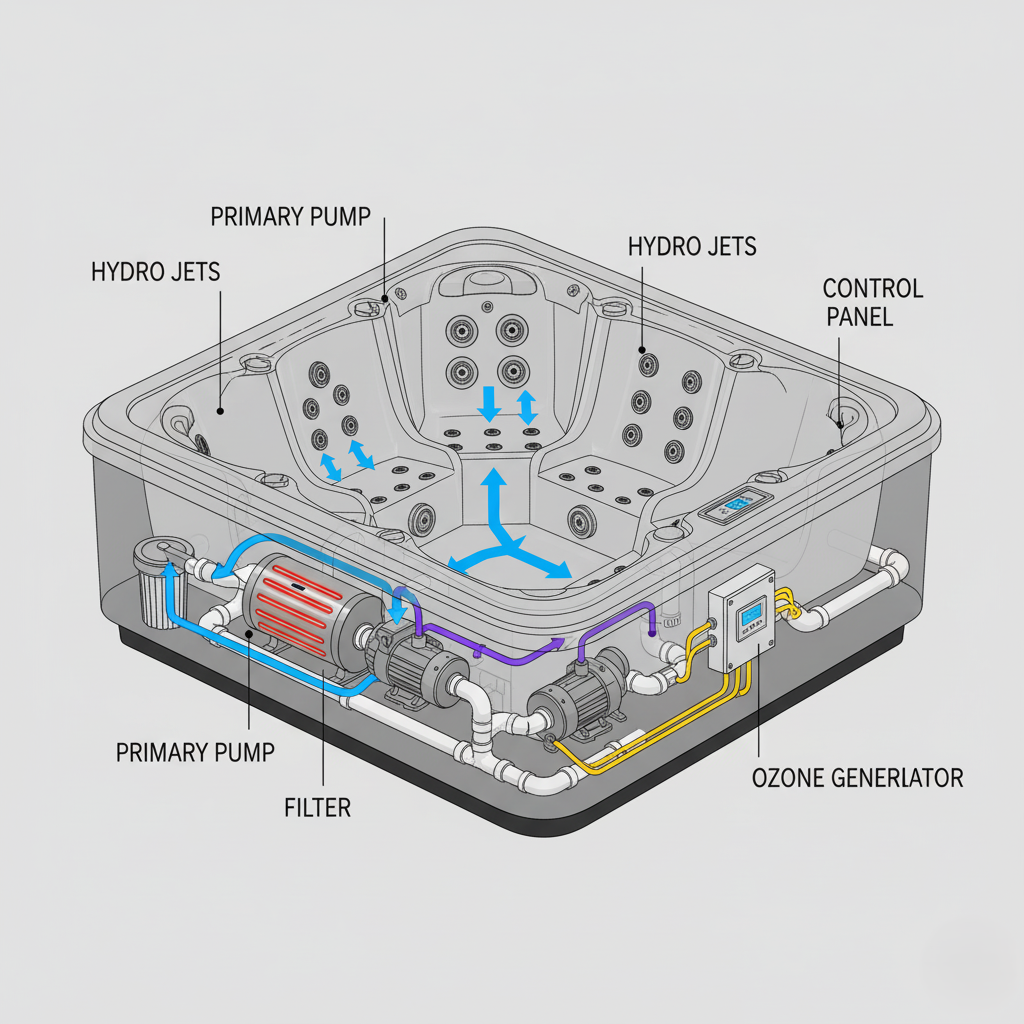
A spa isn’t just a piece of furniture. It’s a heavy, complex unit with integrated electrical, plumbing, and mechanical systems. When relocating it, you’re dealing with:
- High-voltage wiring
- Internal pumps and jets
- Heating elements
- Water supply and drainage
- Structural shell and support frame
Any disruption can lead to leaks, electrical malfunctions, or costly repairs if not handled correctly.
How Spa Relocation Impacts Plumbing Connections
Plumbing is one of the most sensitive parts of a spa system. Here’s what homeowners in Portland should know.
1. Internal Plumbing Lines May Shift or Crack
Inside the spa shell lies a network of PVC pipes, glued fittings, valves, and jets. These components can become stressed during transport, especially when navigating:
- Tight spaces
- Steps
- Sloped yards (common in Portland neighborhoods)
- Uneven walkways
Even slight twisting of the spa can weaken joints or create hairline cracks that aren’t visible until the spa is refilled.
Potential problems after the move:
- Slow leaks that worsen over time
- Reduced jet pressure
- Pump strain due to water loss
- Hidden moisture buildup under the spa pad
Professional movers know how to secure internal lines and lift the spa without putting pressure on vulnerable areas.

2. Reconnecting to Water Supply and Drainage
If your spa connects to a dedicated water line or drains into a specific area, relocation can change:
- Water pressure
- Drainage slope
- Backflow risk
Portland’s older neighborhoods, like Sellwood and Alberta Arts District, often have aging plumbing systems where pressure variation is common. Spa installers must evaluate these changes to prevent overflows or inefficient operation.
3. Filter and Pump Alignment
A spa move can cause the pump housing or filter connections to shift out of alignment. When this happens:
- Pump seals may loosen
- Filters may not seat correctly
- Air may enter the plumbing lines
This reduces efficiency and may cause the heater to shut down due to a lack of flow.
Most professionals will inspect and re-seat these components during reinstallation.
How Spa Relocation Affects Electrical Connections
Electrical components are extremely sensitive, and spas typically operate on 220–240 volts, requiring dedicated circuits. In Portland, where many homes may still use older wiring or outdated breaker panels, improper spa relocation can result in major hazards.
1. Disconnecting and Reconnecting the Power Supply
Before moving a spa, the electrical line must be fully disconnected, usually at a GFCI breaker or disconnect box. Reconnecting the spa requires verification that:
- The circuit can handle the required amperage
- Wiring meets current code
- GFCI protection is active and functioning
If wiring is old, corroded, or exposed to moisture (common in Portland’s rainy climate), relocation is the perfect time to upgrade for safety.
2. Possible Stress on Internal Electrical Components
The spa houses:
- Control boards
- Sensors
- Heating elements
- Wiring harnesses
- Pumps
During a move, vibrations or impacts can cause loose connections inside the control box. Once reconnected, these issues may appear as:
- Error codes
- Heater failure
- Intermittent power loss
- Pump malfunctions
A licensed electrician or spa technician should inspect the internal systems after the move.
3. Meeting Portland Electrical Codes
Spa wiring must comply with Oregon and City of Portland codes, including requirements for:
- GFCI breakers
- Bonding
- Waterproof conduit
- Proper distance from structures
- Clearance around the spa
If a spa is relocated too close to a building, deck, or metal railing, it may no longer meet code. This is especially important when placing a spa under a covered patio or in a newly built outdoor enclosure.
Structural and Placement Considerations When Relocating a Spa
Plumbing and electrical issues aren’t the only concerns; spa placement can dramatically affect system performance.
1. The Pad or Base Must Be Level
A spa must sit on a perfectly level, supportive surface such as:
- Reinforced concrete
- Composite pads
- Decking designed for spa weight
An uneven base causes:
- Pressure on plumbing fittings
- Uneven water levels
- Stress on the pump and heater
- Cracks in the shell over time
Portland’s moisture-rich soil can shift, making a stable surface even more important.
2. Drainage Around the Spa Matters
Proper drainage prevents:
- Flooding under the spa
- Moisture damage to wiring
- Mold growth
- Wood rot on decks or fencing
If drainage changes at the new location, adjustments may be necessary.
3. Distance from Water Sources and Outlets
The spa must be placed near:
- The power source
- A hose bib or water supply
- A safe drainage path
Longer electrical runs may require upgraded wiring. Longer plumbing access may require additional fittings.
Why Professional Movers Are Essential for Spa Relocation in Portland
Relocating a spa without professional help risks damage to plumbing lines, electrical systems, and the spa shell. Professional spa movers bring:
- Specialized dollies and sleds
- Trained teams to maneuver heavy equipment
- Protective materials for plumbing and electrical components
- Knowledge of Portland terrain and home layouts
- Certified electricians to handle reconnections
- Technicians to test pumps, heating, and jets
They also ensure everything complies with local building codes and safety guidelines.
Signs Something Went Wrong After Moving Your Spa
After installation, watch for:
- Water is pooling under the spa
- Reduced jet pressure
- GFCI tripping repeatedly
- Strange noises from the pump
- Error codes on the control panel
- Slow heating or no heating
- Visible drips around plumbing access points
These issues often indicate plumbing or electrical stress from the move.
Call to Action
Relocating a spa in Portland is an intricate process requiring expertise in plumbing, electrical work, and structural support. The move can significantly affect internal plumbing lines, pump performance, electrical safety, and overall system longevity. To protect your investment and ensure safe operation, always rely on professional spa movers familiar with Portland’s unique climate, housing styles, and code requirements. Contact us today!